YADAHALLI, India — It is a monsoon morning, which means torrential rain, breaking a dry spell that has persisted since a brutally hot summer. My family is worried that the shamiyana, a colorful cotton tent used for outdoor events, may not keep out the rain. They should be worried. They’re expecting about 3,500 guests for lunch in the shamiyana, from mid-morning to late afternoon. If the rainwater leaks through, this long-planned event will be ruined. “We should have used a waterproof tarpaulin,” my uncle announces.
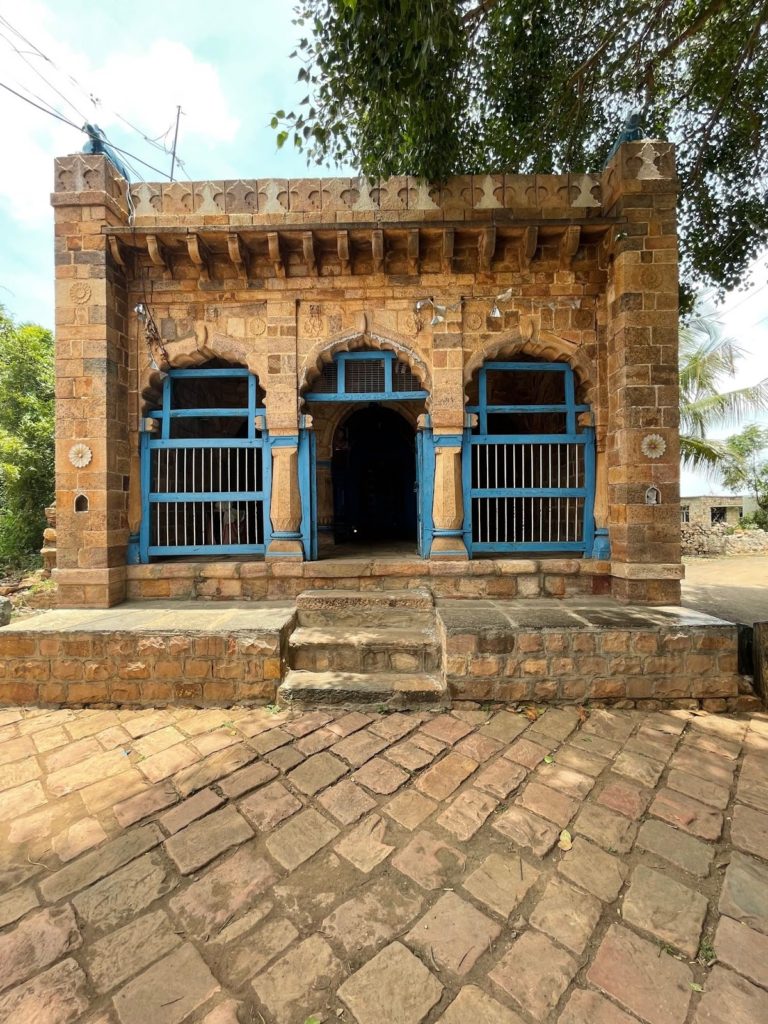
The occasion is the housewarming of my family’s new residence after they were forced to leave our 300-year-old ancestral home here in South India. Yadahalli village flooded from the backwaters of a dam — The Upper Krishna Project — meant to help drought-ridden areas, and is now empty. My parents moved two miles away to higher ground.
When Indian families celebrate, they open their doors to include everyone, especially in rural areas, where entire villages are invited and several thousand guests are served a meal. The 3,500 people on today’s guest list is not a small number, of course, but it’s modest compared with the feasts I have attended. As a child, I went to a wedding where 25,000 people were served lunch.
With that large number comes mountains of supplies. A local caterer, Sangappa Gangappa Atani, whose team is cooking, had sent a grocery list last week, and yesterday morning the deliveries started: 660 pounds of wheat flour, 220 pounds of jaggery, an unrefined sugar, 100 pounds of potatoes, and 260 pounds of onions. By the end of the day, there were also several hundred pounds of produce, lentils, and spices, which arrived in a trailer attached to a tractor.

At 5 a.m. today, Atani’s five cooks and several dozen helpers began cooking in 500-liter-capacity cauldrons in a makeshift kitchen. Sixteen women were sitting cross-legged on wooden stools just 2 inches off the ground making chapatis, a flatbread cooked in concave cast-iron pans. I can’t take my eyes off these cooks because it’s fascinating to watch the speed with which they roll out the dough and make two or three flatbreads a minute. When I make chapatis back home in Massachusetts, it takes me at least three minutes to make a single round, and it doesn’t taste as good.
Another cluster of women are cutting vegetables and grinding spices. There are several cooking sources: wood fires in pits dug into the ground, over which the men set gigantic cauldrons and stir the food using 4-foot steel ladles. It isn’t easy and some guests cheer the cook.
The elaborate menu includes three kinds of flatbread, one with wheat and two with millets, a spicy peanut chutney, lime pickle, broad bean curry made with vegetables and the Indian cheese paneer, yogurt, lentil soup, and the rice dish pulao. For dessert there’s something called Broken Wheat Pudding, made with cracked wheat and jaggery, and boondi laddu, which are small sweet balls of gram flour (also called chickpea flour), cashews, and raisins.
Atani, 40, lives in a nearby village and has been in business for 20 years. He took over from his father and caters 15 to 20 events a month. He has a simple system: The host pays for all the groceries and Atani bills for labor.
I ask Shiddu Hanchinal, who I grew up with, and who is managing the event, how much the feast costs. He tells me the groceries are 165,000 rupees (about $2,000); labor is 45,000 rupees (about $550). With the price for renting the tent, chairs, and tables, the total is rupees 300,000 (about $3,500). The math works out to cost 100 rupees per person (about $1.25).
Luckily, it doesn’t rain on the party.
This is new contenst